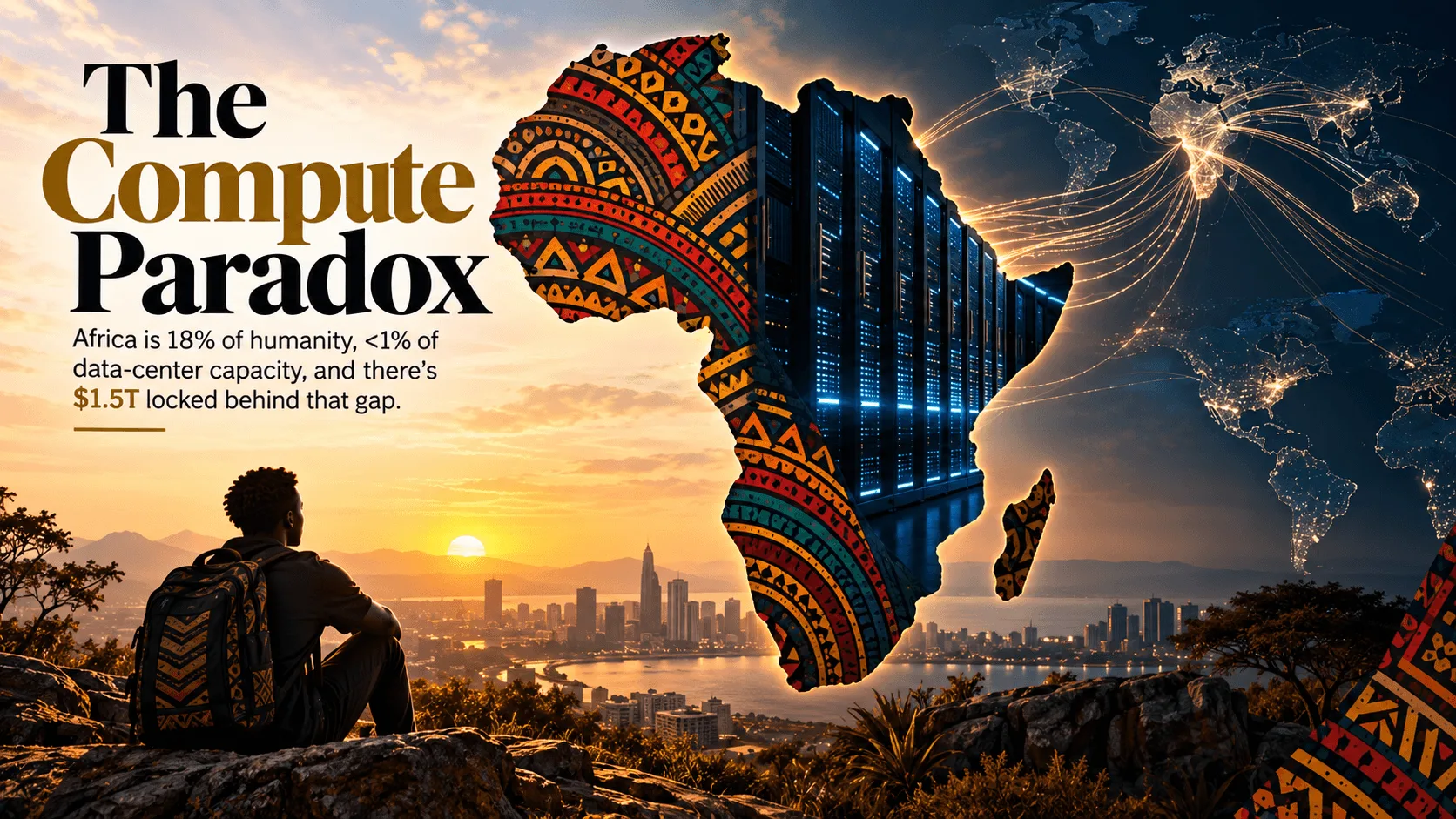
Most of the stablecoin conversation in Africa is about dollars. USDT and USDC — American dollar-pegged coins — dominate the volumes, and for good reason: in economies with volatile currencies, a digital dollar is a lifeline. But underneath that dollar story, a quieter and arguably more important one is unfolding. Africa is starting to build its own stablecoins, pegged to its own currencies. Nigeria's cNGN. South Africa's ZARU. Coins like AfriqCoin. They don't make the same headlines as the dollar giants, but they may matter more for the continent's future. Here's why.
First, a quick refresher on what a stablecoin is
A stablecoin is a digital token designed to hold a steady value by being pegged to a reference asset — most commonly a national currency. A dollar-pegged stablecoin aims to always be worth one dollar; a naira-pegged one, always one naira. The magic isn't the peg itself — it's what the digital form unlocks: instant settlement, 24/7 operation, near-zero transfer cost, programmability, and borderless movement, all while holding a stable, familiar value.
Until recently, the African stablecoin story was almost entirely about dollar coins used to escape weak local currencies. The new chapter is different: coins pegged to naira, to rand, to African currencies themselves. And that shift from "digital dollars in Africa" to "digital African money" is the whole point.
Why a local-currency stablecoin is a big deal
At first glance, a naira-pegged stablecoin sounds less useful than a dollar one — why hold digital naira when you could hold digital dollars? But that framing misses what these coins are actually for. They solve different problems.
They give you the technology benefits without the currency escape. A cNGN lets a Nigerian business move naira instantly, cheaply, programmatically, 24/7 — all the efficiency of stablecoin rails — while staying in naira. For domestic commerce, that's exactly what you want. You don't need dollar exposure to pay a local supplier; you need naira that moves at internet speed. Local stablecoins deliver that.
They keep value inside the local economy. As I've explored before, the deep fear central banks have about dollar stablecoins is currency substitution — citizens quietly abandoning the local currency for the dollar, which erodes the central bank's control. A local-currency stablecoin flips that entirely. It's not an escape hatch from the naira; it's an upgrade to the naira. That's why regulators are far more comfortable with them — they strengthen monetary sovereignty rather than undermining it. cNGN, notably, has moved forward with regulatory engagement precisely because it aligns with, rather than threatens, the central bank.
They make cross-border African trade possible without the dollar detour. This is the most exciting part. Today, a payment between two African countries often converts to dollars and back, because there's no efficient way to go directly between, say, naira and rand. A network of local-currency stablecoins could let African currencies trade against each other directly, on-chain, instantly — cutting out the dollar middleman entirely. That's a structural fix for one of the continent's most expensive problems, and it can't be built on dollar coins alone. It requires digital versions of the local currencies themselves.
The bigger vision: rails Africa actually owns
Step back and you can see what's really being built here. Dollar stablecoins, for all their usefulness to individuals, keep Africa dependent — on the US dollar, on American-issued tokens, on infrastructure designed elsewhere. They solve a personal problem (currency instability) while deepening a structural dependency.
Local-currency stablecoins point toward something more sovereign: financial infrastructure that Africa owns, denominated in African money, that can eventually connect African economies to each other directly. Imagine intra-African trade — which the continental free-trade area is trying so hard to unlock — settling through a web of local-currency stablecoins, no dollar detour, no correspondent bank in New York, no foreign intermediary taking a cut. That's not a payments efficiency. It's a shift in who controls the plumbing of African money.
It rhymes with a lesson worth holding onto: the most powerful African fintech isn't the version that imports a foreign solution, but the version that builds infrastructure natively suited to African realities. A digital dollar is a foreign solution to a local problem. A digital naira, rand, or cedi — networked across borders — is Africa building its own rails.
The honest reality check
I don't want to overstate where this is. Local-currency stablecoins are early, and they face real hurdles. They need deep liquidity to be useful, which takes time and trust to build. They need robust reserves and transparent backing so people believe the peg will hold — and in markets scarred by past financial failures, that trust is hard-won. They need regulatory clarity, which is arriving but unevenly. And they face a chicken-and-egg adoption problem: they're only useful if lots of people and businesses accept them, and people only accept them once they're useful.
Dollar stablecoins have a massive head start precisely because the dollar's stability and global liquidity are already there. A naira or rand coin has to build all of that from scratch. So this is a long game, not an overnight flip. The dollar coins aren't going anywhere soon.
What to take from this
Watch the homegrown stablecoins. The dollar coins grab the headlines and the volume today, but the coins pegged to African currencies are the ones building toward something structurally more important: financial rails that Africa owns, denominated in African money, capable of connecting African economies directly to one another.
Why Local-Currency Coins Matter
- Efficiency without the escape. Instant, cheap, programmable local money for domestic commerce — no dollar exposure needed.
- Regulator-friendly by design. They strengthen the local currency instead of undermining it, so they sit on the right side of the sovereignty line.
- Direct intra-African trade. A network of them could let African currencies settle against each other on-chain — no dollar detour, no New York correspondent bank.
If you're building on this continent, the strategic read is that local-currency stablecoins sit in a far friendlier relationship with regulators than dollar coins do, they're the natural rail for domestic and intra-African commerce, and they're early enough that the field isn't settled. The dollar stablecoin story is about African individuals reaching for stability. The local-currency stablecoin story is about Africa building its own financial sovereignty. One of those is a much bigger idea — and it's only just beginning.